Titanium brush

A titanium brush is a small rotary brush with titanium-alloy bristles that a dentist uses to clean the exposed, contaminated surface of a dental implant. It is mounted in the implant handpiece, run at 600–1,200 rpm under sterile saline, and reaches into the implant threads where curettes and ultrasonic tips cannot. This page is about the dental instrument — not a titanium hair brush or a grill brush — and about the NiTi Brush, the nickel-titanium brush that HANS Korea has made since 2010.

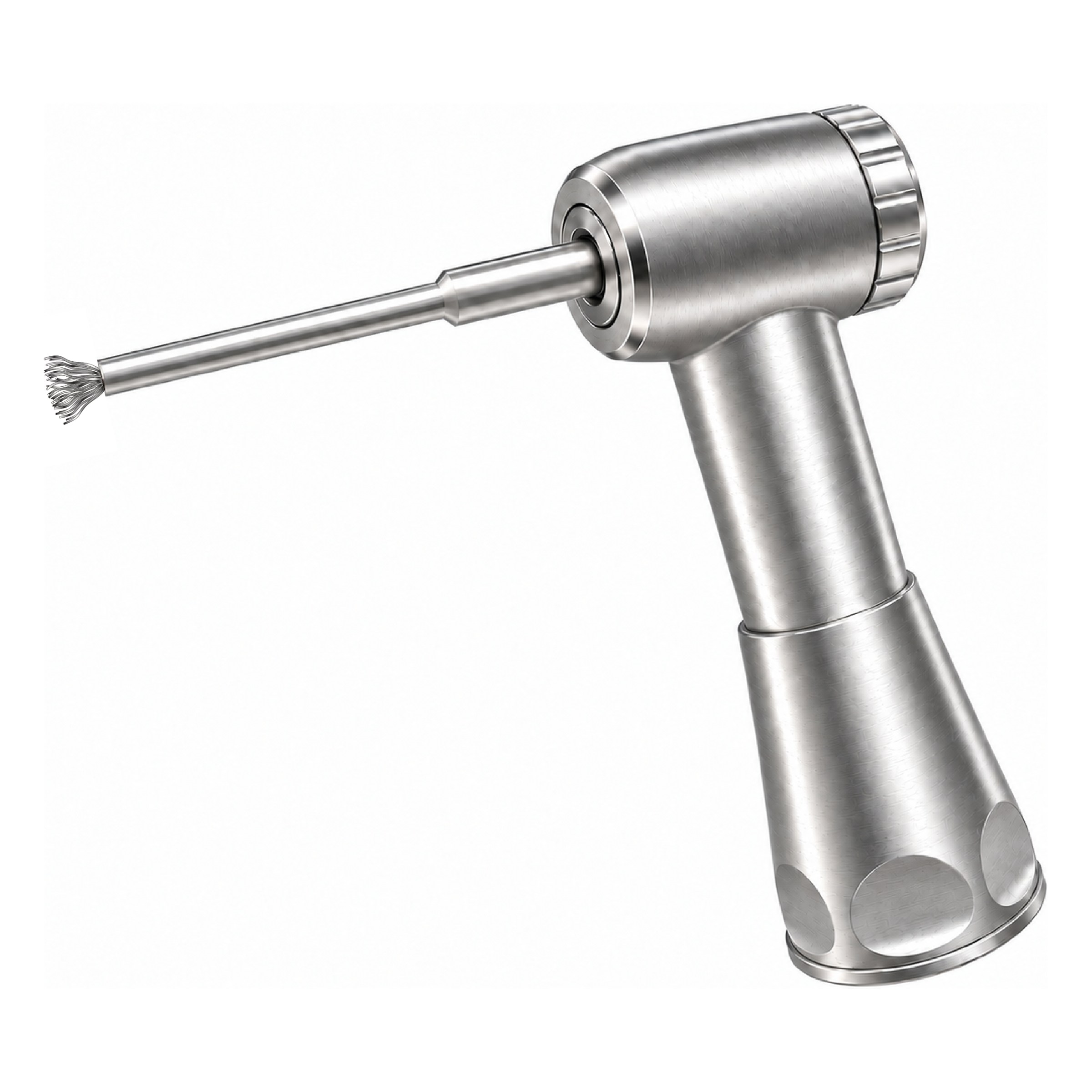
Titanium brush: the NiTi Brush mounted in a 20:1 dental implant handpiece, ready to clean an implant surface
A titanium brush in the handpiece. The NiTi Brush is driven by the implant motor through a 20:1 reduction handpiece; the bristles do the work, the clinician only guides the head.

What a titanium brush is made of

The name covers two bristle materials. Some brushes use bristles of commercially pure titanium. The NiTi Brush uses nickel-titanium, the shape-memory alloy known from orthodontic archwires and endodontic files. Both are softer than the steel of a curette and harder than plastic, which is why a metal brush can clean a titanium implant without cutting into it; nickel-titanium adds elasticity, so each bristle bends into the thread valley and springs back instead of bending permanently. The shaft fits a standard 20:1 contra-angle implant handpiece.

PartMaterialWhy
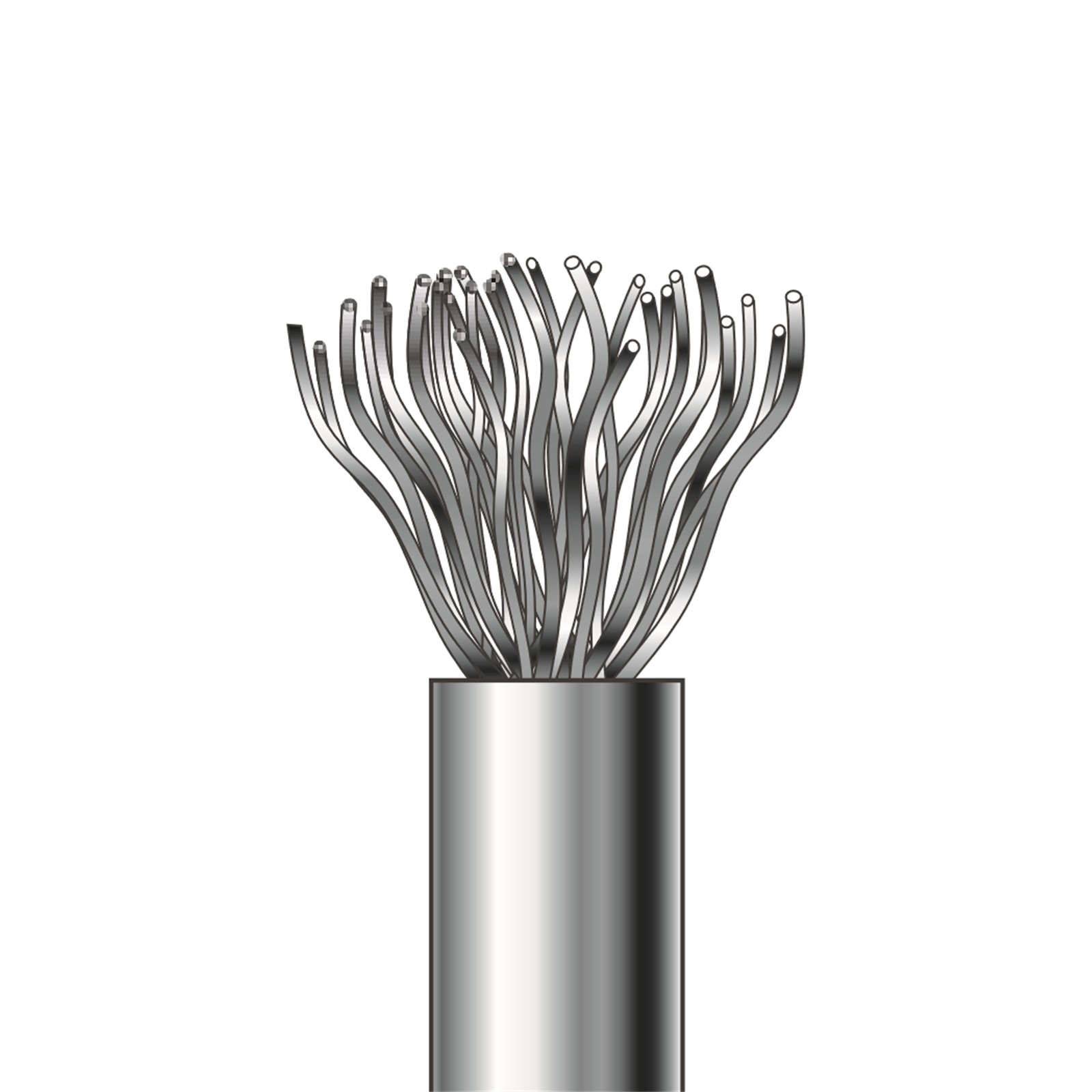
BristlesNickel-titanium (NiTi) shape-memory alloyElastic enough to follow the thread profile, hard enough to remove the contaminated layer, and it does not leave steel on the implant
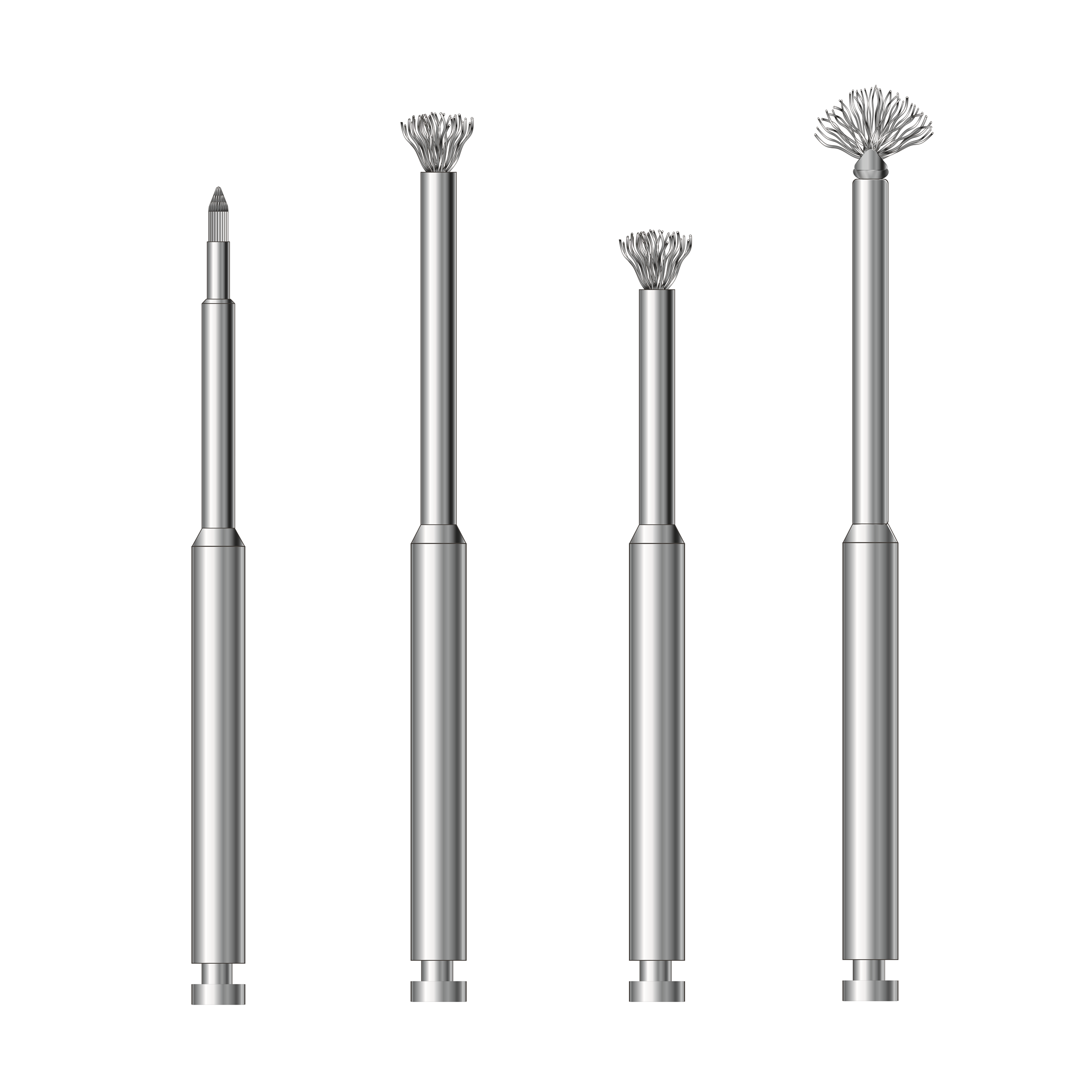
HeadBound bristle bundle in three geometriesPointed (NANO), open (POCKET / POCKET SHORT) or splayed (OMEGA) to match how much of the implant is exposed
ShaftStandard contra-angle shankFits a 20:1 contra-angle implant handpiece; POCKET SHORT has a 30 mm shaft for posterior sites

The bristle alloy, its properties and the published measurements are described on the raw material page.

What a titanium brush is used for

Peri-implantitis surgery

The main use. After the flap is raised and granulation tissue removed, the brush cleans the exposed implant threads before the defect is grafted or the flap is closed. How this fits into the whole treatment is explained on the titanium brush for peri-implantitis page and in the six-step protocol.

Implantoplasty and polishing

Where the exposed part of the implant is smoothed with burs (implantoplasty), the brush is used on the intrabony part that is to be regenerated, and to finish the surface after the burs. Several published protocols combine the two; see the study-by-study summary.

Removed implants and research

Implants taken out because of failure can be brushed on the bench to study the surface before and after; our lab test shows 24 such implants with SEM images. Laboratory studies also measure how much titanium a brush releases compared with other instruments.

How a titanium brush is used

  1. Sterilise. The NiTi Brush is supplied non-sterile and is autoclaved before use as the Instructions for Use describe. It is a single-use instrument.
  2. Mount. Fit the brush into a 20:1 contra-angle implant handpiece.
  3. Set the motor. 600–1,200 rpm, with sterile saline irrigation running.
  4. Brush. With light pressure, move the head along and around the exposed threads for about 2–3 minutes, letting the bristles — not force — do the cleaning.
  5. Rinse. Irrigate with saline. Whether any chemical agent follows is the clinician’s decision; published studies used saline only, hydrogen peroxide, chlorhexidine or electrolytic cleaning, as summarised on the chemical adjuncts page.
  6. Discard. Dispose of the brush after the patient; do not reprocess.

The Instructions for Use (19 languages) are the binding reference; this page is an overview.

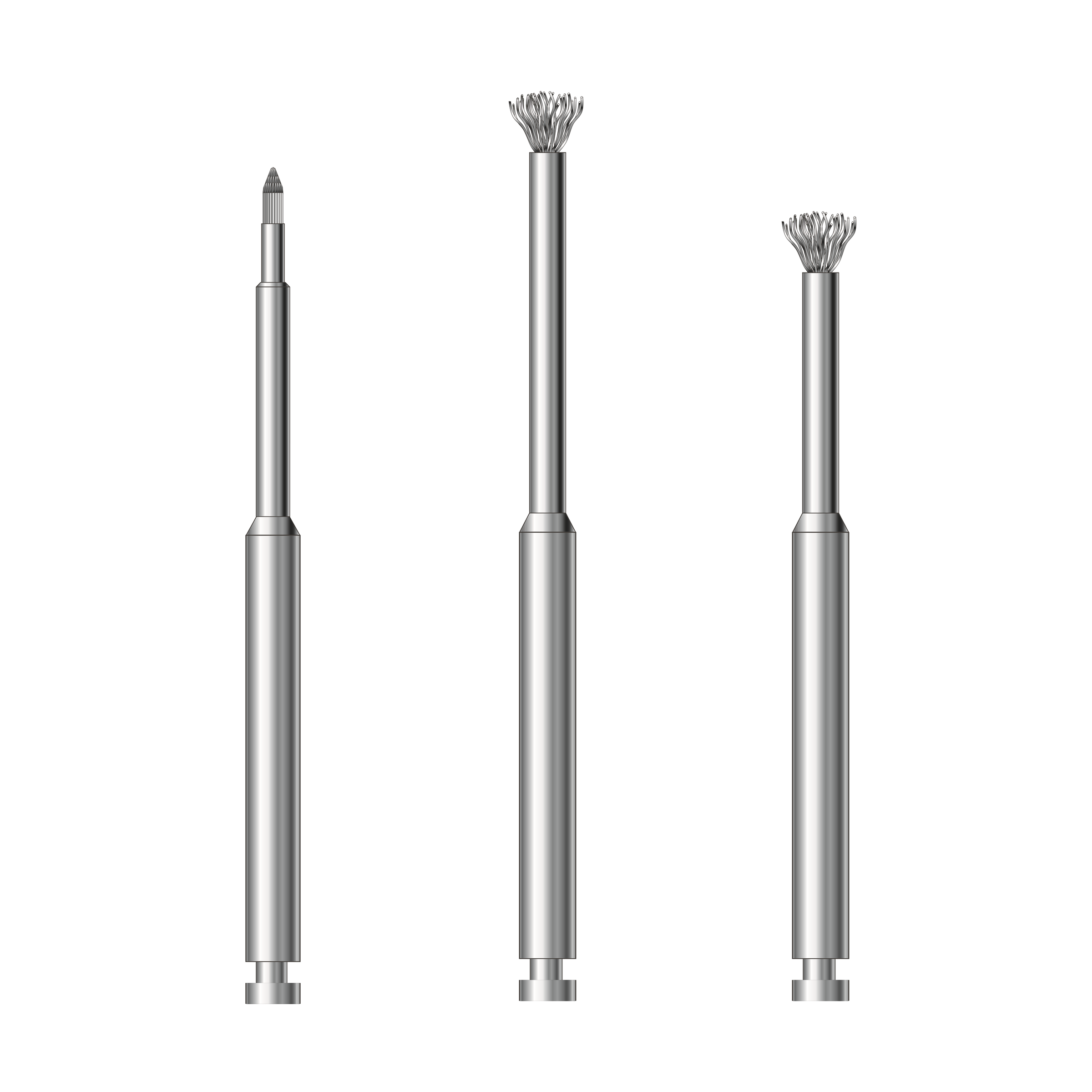
The NiTi Brush — four titanium brush models

Specifications and motor settings are on the product page; more pictures, including removed implants before and after, SEM and CBCT, are in the image gallery.

Titanium brush and the other ways of cleaning an implant

A titanium brush is one of several mechanical options — curettes, ultrasonic tips, air-polishing, lasers, implantoplasty burs — and it is usually combined with a chemical or electrolytic step and with grafting. It is not a cure on its own: the published randomised trials in which the NiTi Brush was used tested other measures (bone substitutes, membranes, adjuncts) with the brush as the common mechanical step in every arm. What those trials found is listed, paper by paper, on the literature page. A laboratory study measured the titanium released by different instruments; the NiTi Brush released about one-fifth of a metal-tip ultrasonic scaler, while air-polishing and a plastic-tip ultrasonic released less (Kao et al. 2024, listed there).

20Publications
14Countries
72Investigators
513Patients
689+Implants

Peer-reviewed publications in which the instrument is identifiable as the NiTi Brush; how the figures are counted is on the summary page.

Frequently asked about titanium brushes

What is a titanium brush in dentistry?

A rotary brush with titanium-alloy bristles, driven by the implant motor, used to clean the exposed surface of a dental implant — most often during the surgical treatment of peri-implantitis. It is not related to titanium hair brushes or barbecue brushes.

Is a titanium brush the same as a NiTi brush?

“Titanium brush” is the generic term; several manufacturers make one, some with pure-titanium bristles. The NiTi Brush is HANS Korea’s instrument, with bristles of nickel-titanium shape-memory alloy. In papers the two names are often used interchangeably, so the packaging or the Methods section is the way to tell which instrument was used.

Does a titanium brush damage the implant?

The bristles are softer than steel, so they do not mark the implant body the way a steel instrument can, yet hard enough to remove the contaminated layer; the implant thread geometry is preserved. Laboratory and clinical studies of the NiTi Brush are listed on the literature page; SEM images of brushed surfaces are in the lab test.

Can a titanium brush be reused?

No. The NiTi Brush is a single-use instrument; it is supplied non-sterile, sterilised before use and discarded after the patient.

What speed and handpiece?

A 20:1 contra-angle implant handpiece on the implant motor at 600–1,200 rpm with sterile saline irrigation, for about 2–3 minutes per implant.

Where can I get one?

Through the authorised distributor for your country, listed on the contact page, or from HANS Korea directly where there is none.